
Ice Dam Problem? Heat Tape Solution.
Backed By a 10-year Product Warranty
Heat Tape and Heat Cable Solutions to Winter.
Professional Heat Tape Installation
Not all years are like the record-breaking winter of 22-23, but preventing ice dam build up is key to preventing leaking and ice dam damage every winter.
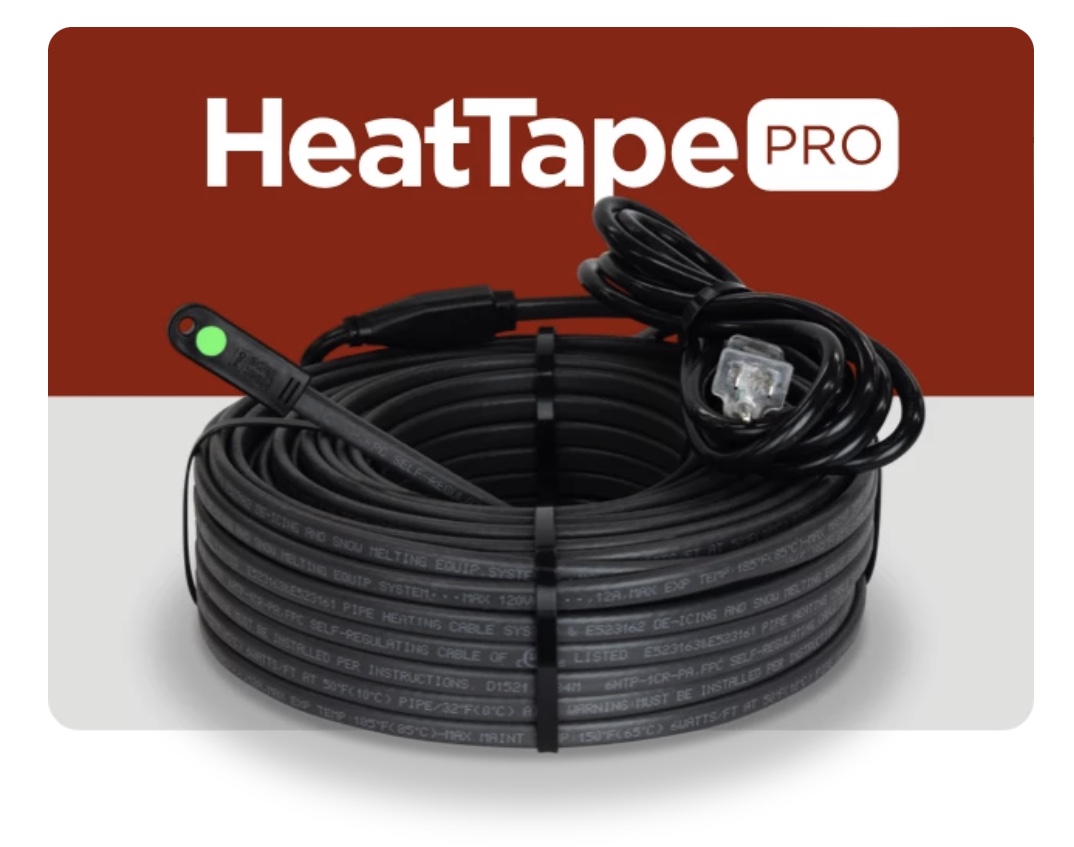
At Nordic Solutions, we install Radiant Solutions' Heat Tape Pro. Heat Tape Pro is an efficient, self-regulating heating cable designed to prevent ice dams and snow buildup. Our heat tape will adjust its output automatically, hence the self-regulating aspect, as weather conditions change, protecting roofs, gutters, and downspouts. Trust heat tape pro for reliable, long lasting winter protection in every and any winter Mother Nature throws your way.
Our product is warranted for 10 years by our manufacturer.
why people choose us.
We are a winter solution company. Heat tape is what we do!
There are a lot of companies, roofers, and contractors in the market for heat tape along the Wasatch. We find that the larger heat tape companies charge premium rates and smaller contractors lack the knowledge of long lasting product and proper installation. We do our best to solve both. We strive to keep costs lower with our design while still delivering a long lasting commercial product and professional installation. We will provide solutions to your ice trouble. We look forward to working with you.
What is heat tape, heat cable, or heat trace?
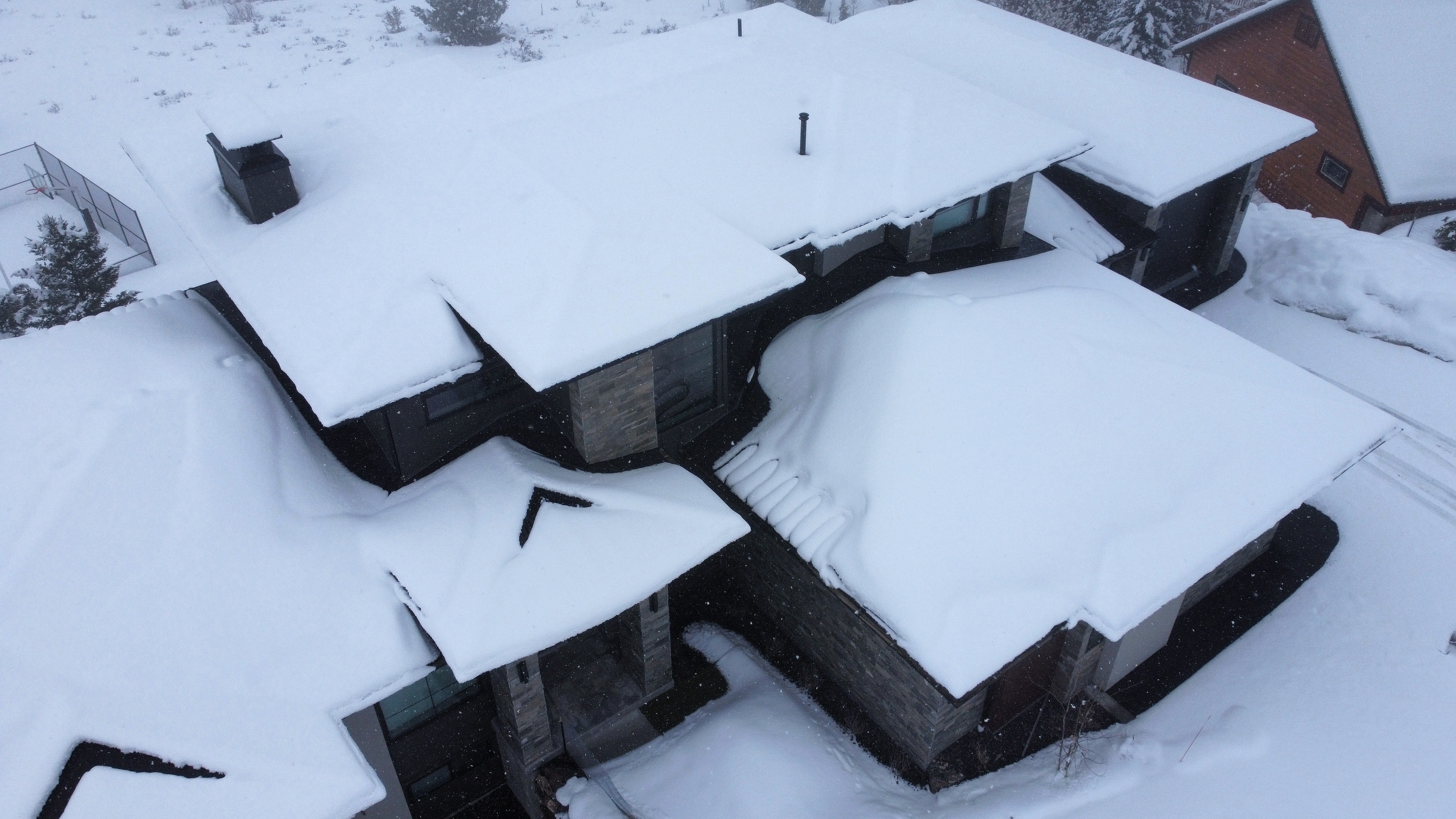
While it's commonly referred to as heat tape, the snow melting industry tends to use the terms "heat cable" or "heat trace" interchangeably with heat tape. These are all the same. Regardless of the name, these systems all serve the same purpose in creating open, clear channels through the snow and ice so meltwater can flow off the roof and down the downspouts without freezing into dangerous ice dams.
No Holes In Your Roof!
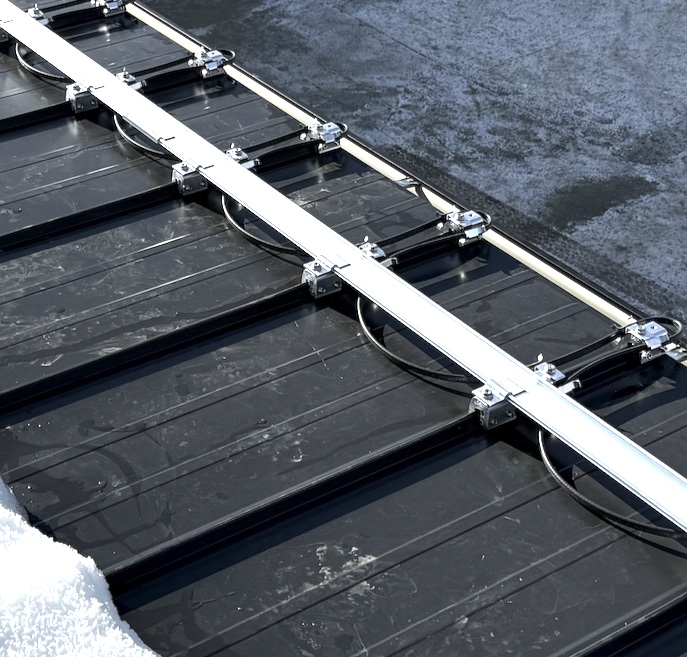
We'll keep the unnecessary holes out of your roof as it comes to heat tape. Lot's of installers opt into drilling as it save them installation time, but non-penetrating methods are always the best way to go in avoiding roof leaks down the line.

How Much Do Heat Tape Systems Cost to Install in Utah?
(2026) Professional installation for high-quality self-regulating heat cable typically ranges from $12 to $20 per linear foot, depending on roof height and project requirements, and company that provided the bid. Additional costs may incur for required electrical work or ice and snow removal if present on the roof. For a standard Utah home, a complete system often falls between $2,500 and $9,000. Larger projects can range well into the 10s of thousands of dollars. While hardware store "constant wattage" tape is cheaper upfront, it lacks the longevity and safety of commercial-grade systems.
Factors that Influence Your Installation Cost.
2+ stories or steep roof pitches
Old/ previous system removals
Complex rooflines
Electrical Work (Needs more power or GFEP)
Weather Control Sensors
Winter installations (Mid October-March)
Remote project locations (Tetons, Uintas, ect.)
1-story or shallow pitches
Installations combined with snow retention
Simple rooflines
Planned electrical for heat tape
GFEP, circuit to be used has a ground fault equipment protection breaker or devise
Spring/ Summer installation (April-September)
self regulates
by adjusting output as temps increase and decrease
10-year
heat tape product warranty
$2,500-$9,000
general home project cost
20+ year
average lifetime
2-year
Nordic Solutions workmanship warranty
Why a quality installation matters.
Poor or incorrect installations lead to problems.
When installed correctly, you can expect...
Does it look like a spaghetti mess? Messy installs don't create clear water channels, resulting in water leaking through your roof.
Installations that use screws, staples, or nails, creating unprotected pathways for water to enter into your home.
Fire Hazard: Low quality heat tape like constant wattage heat tape can't be overlapped. Doing so causes it to short out or even catch fire.
Missing key installation points, like gutters, downspouts, or roof valleys. Installing just the roof line won't allow the melt water to flow freely from your roof if you deal with ice dams.
System ends or species left directly in water ways. The #1 reason a self-regulating system will fail is due to poor placement of these connections in gutters or valleys. Water will find a way in and short out the heat tape and leave you with a system to be replaced.
Self-Regulating heat tape will last 20-30 years when installed correctly. It is safe to be overlapped, preventing a premature life of the cable.
Installations with high quality clips or clamps will keep your system fastened to your roof even during large wind events. Any re-installed cables should use brand new clips or clamps.
Keep your roof and heat tape warranties valid. Improper installation will cause your roof and heat tape to be warranty void.
Prevents breaker trips: Following National Electrical Codes (NEC) and ensure the amount of heat tape is not over amount of power available will ensure your system will stay on in the coldest temps.
Prevent ice dams and ice build up. Overall, a correctly installed system is going to be able to keep up heavy snow load demand, and actually do its job in keeping those ice dams off your home.

Pair Your Heat Tape with Snow Retention
Snow Retention, also referred to as snow guards or snow fence, is the whole package to dealing with ice and snow during the winter months. Metal roofs are prone to snow slides (roof avalanches) which can cause harm to your property or others below. Get both heat tape and snow retention to prevent ice dams and snow slides all winter long.
IMPORTANT:
As long as a heat tape system has power, it will be consuming energy. Turning it off when not needed is ideal to saving energy and extending the system lifespan.
A common misconception about self-regulating heat tape is that it will turn off automatically. This is not the case. The self-regulating aspect of it means that it will automatically adjust power consumption
Controlling Your Heat Tape System: A Comparison Between Controllers and Sensors
Comparison Category
Nothing, Leave it Plugged or Powered in Year Round
Light Switch
Weather Sensor Controller
Control Method
None!
If it's plugged in and powered, it'll be consuming energy year round.
You.
Temperature sensing;
On at 37º and off at 50º
Temperature and moisture sensing; custom settings.
Smart camera heat tape monitoring, connects to your phone. Camera data
Power
Consumption
(Or Reduction)
It may cost you up to $1 per ft installed to run it in the snowiest of winters.
Only active as long as you have the switch powered. Only consumes power when you want it to.
Only consumes power when temperatures are below 37º.
Only consumes power when temperatures are below 37º.
Saves up to 92% in winter power consumption. Saves on average $100-$500 per month deposing on system size.
Voltage Rating
n/a
120v, 240v systems
Only 120v
120v, 240v systems
120v, 240v systems
Overall Cost
$0
$0-250
Existing switches can be used. New ones can be installed.
Under $50, per controller
$400-$650
with Install per controller
Install Cost + Yearly Subscription.
Cost Varies; depends on # of circuits, Contact Powder Watts for an estimate.
Feature Highlight
Leaving it on Year Round will cost you
If your home was planned for heat tape, a light switch already likely exists to shut off the power.
An affordable way to add some automation to your heat tape system.
Only activates the system when temperatures are below freezing and moisture is present on the roof.
Best system to manage and monitor your system. Uses real-time data and forecasting to activate your system. You're notified if the breaker trips.
Main Drawback
Leaving it on year round will cost you in unnecessary power bills.
Forgetting to turn off or on the system. Potentially wasting power in the warmer months or dealing with an ice dam.
Does not deactivate the system if it's cold outside without snow.
System remains active with snow on the roof, even if the snow and ice around the heat tape is clear.
Subscription based, reoccurring yearly cost to use this system.
Our Recommendation,
Best For
Only for 'emergency systems', you only plug it for brief snow events.
Great for most homeowners with 1-3 systems.
Best for homeowners that forget to turn on and off the system, but are on a budget.
Best for homeowners that want a 1-time expense with maximum automation.
Best for commercial properties, or homes with extensive heat tape systems. Best for those that want peace of mind during the winter.
Is Your Heat Tape Installer Qualified? Ask Them This.
July 20, 2026
When Should You Replace Your Heat Cable?
September 20, 2025

A Complete Guide to Heat Tape Installation
August 12, 2026
What is the difference between Self-Regulating and Constant Wattage heat tape?
Self-regulating heat cable automatically adjusts its heat output based on the outside temperature, making it significantly more energy-efficient and safer. Self- regulating systems can be further controlled with weather sensors (moisture and temperature sensing system) to deactivate the system completely on dry, warm days. High quality self-regulating systems have a lifespan of 15-20+ years. Constant wattage cables don't adjust output regardless of the weather, which creates a higher risk of fire and shingle damage, and drive up power running costs all winter long. Constant wattage cables are commonly found at big retailers and have a significantly shorter lifespan (2-5 years) and lower reliability in bigger snow years or snowier climates like Utah.
How much does professional heat cable installation cost in Utah?
(2026) Professional installation for high-quality self-regulating heat cable typically ranges from $12 to $20 per linear foot, depending on roof height and project requirements, and company that provided the bid. Additional costs may incur for required electrical work or ice and snow removal if present on the roof. For a standard Utah home, a complete system often falls between $2,500 and $9,000. While hardware store "constant wattage" tape is cheaper upfront, it lacks the longevity and safety of commercial-grade systems.
Does heat tape melt all the snow on my roof?
No, heat tape is not designed to clear your entire roof of snow. Its sole job is to create open drainage channels through the snowpack at the most vulnerable areas of your roof (eaves, valleys, gutters, downspouts). By keeping these critical paths melted open, water created by natural snowmelt can safely flow off the roof and down the downspouts instead of backing up under your shingles to create a destructive ice dam.
Do I need a thermostat or controller?
Even if a cable is "self-regulating," it is still drawing power and adding to your electric bill if powered. Adding a thermacord plug-in heat tape temperature controller (120v system only) or a weather and moisture sensor (like a "DS8-C or DS9-C heat tape controller") ensures the system only runs when it's actually cold enough or when moisture is present (DS8-C/DS9-C only). Using a pre-wired light switch or unplugging 120v plug-in systems can be a cost effective method to turning off the system without investing in a controller.
Can I leave my heat cable plugged in year round?
While high-end self-regulating heat cables scale back their energy consumption when it gets warm, they still draw a "ghost load" of electricity if left powered on during the summer. To maximize the lifespan pf the cable and save on utility bills, you should turn the off completely in the spring. For total peace of mind, we recommend installing an automated control sensor or dedicated switch to automatically or manually turn it off when above freezing.
Re-Roofing: Can I reuse my heat tape system?
It depends on a few things, but you should replace the heat tape system.
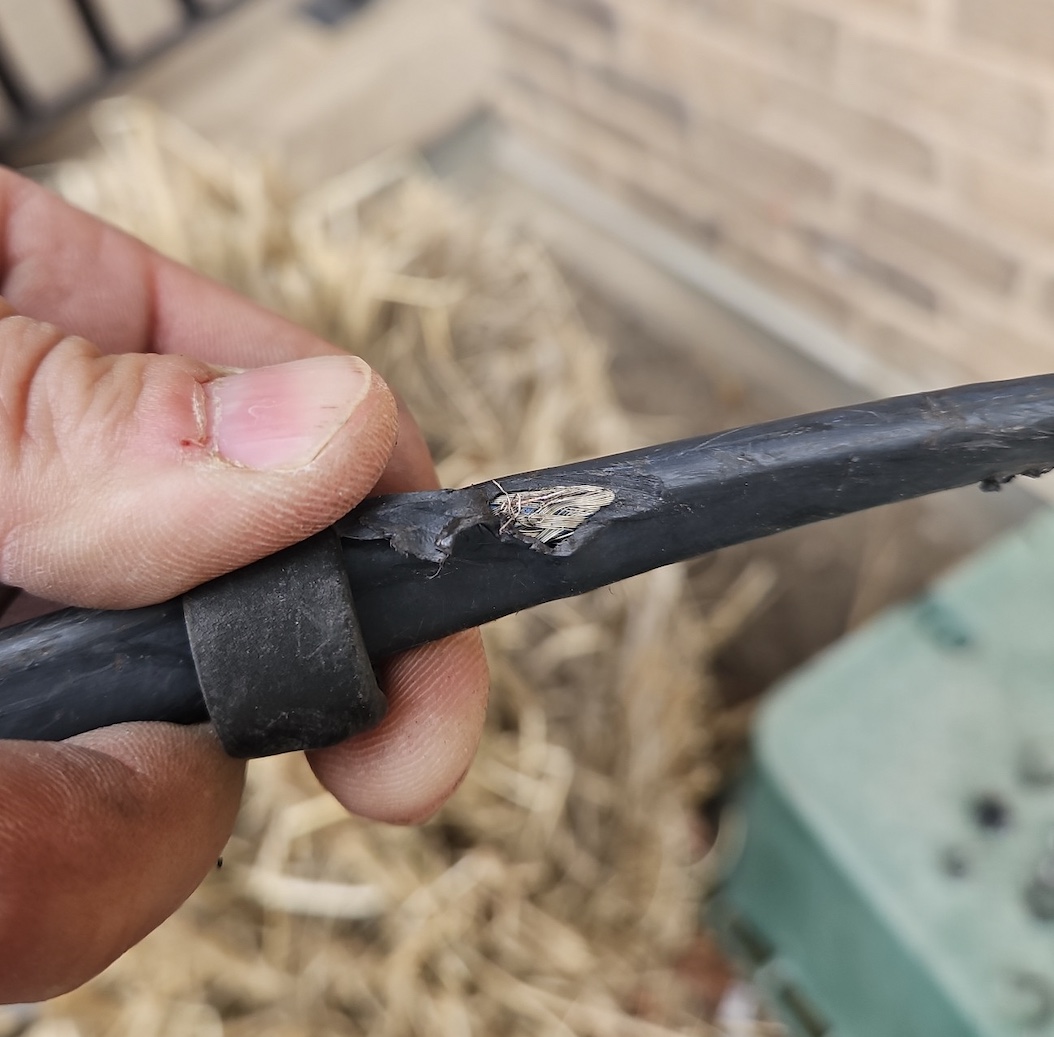
Heat Tape is commonly past its lifespan or damaged when reroofing. Some lower end constant wattage cables only last 1-4 years, these should absolutely be replaced. Higher end self-regulating heat cables can last 20-30 years. A cable installed within the past 0-7 years is a great candidate for re-install, older cables will require additional evaluation. To determine whether or not a self-regulating cable can be reused, the cable should be assed for any visible damage to the exterior insulation and have a megameter test conducted to determine if there are any internal damages. Re-installing damaged or old heat tape can result in fire hazards. Use brand new clips or attachments for the heat tape system as old clips can lose their bit. Re-roofing is the best time to install new high end self-regulating heat tape as these systems typically last the lifetime of the roof.
How much electricity does a roof heating cable system actually use?
The energy used depends entirely on the type of cable, the total length installed, and how it is controlled. A typical 6watts/ft commercial-grade self regulating cable draws 6 to 9.6watts per foot of power when surrounded by ice or snow at freezing temperatures.For an average home requiring 150' feet of cable, it runs at roughly the same power consumption as a couple of standard household appliances. Using automated sensors or manually turning it on and off when snow and ice are present ensured the system only runs when it is actively needed, preventing spikes in your monthly electric bill.
How do I calculate the cost of running my heat cable system?
Daily Cost = (linear feet x watts/ft x hours per day )/ 1000 x cost kWh
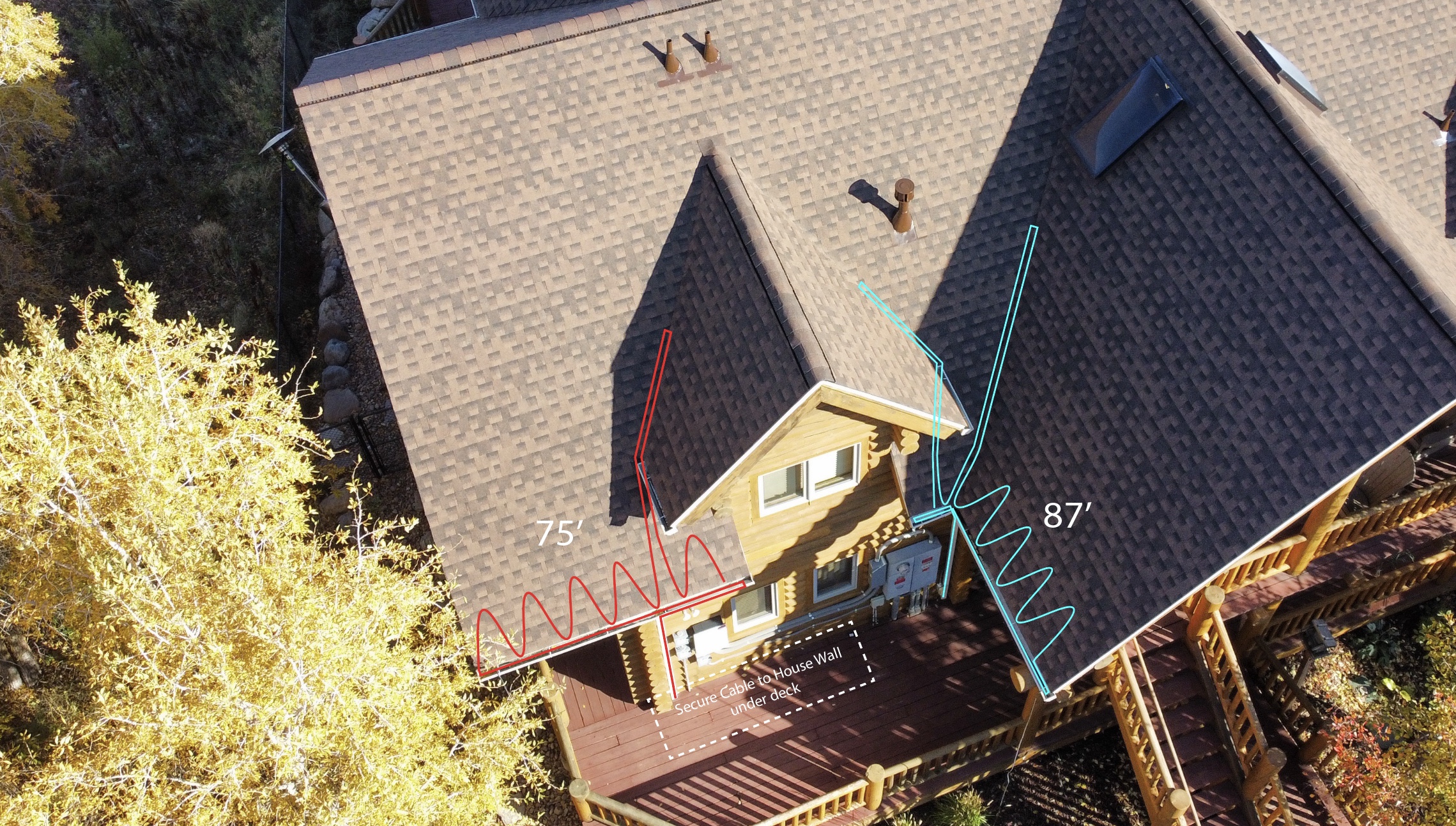
150' of Heat Tape Pro (6w/ft) running for a day would cost roughly $3.24/day in Park City ($.15 kWh). ($97.20 per 30-day month) Controlling the system automatically or manually and using only when needed can help reduce power consumption costs.
Can heat cables be installed on metal roofs with snow guards?
Yes. On metal roofs, heat cables are often installed in conjunction with snow guards (like S-5! systems) to prevent "roof avalanches." The snow guards hold the snow pack in place, while the heat cables create "melt paths" to ensure water drains into the gutters rather than refreezing into ice dams.
Is GFEP (Ground Fault Equipment Protection) required for heat tape or heat cable?
Yes, National Electrical Code (NEC Articles 426.28 and 427.22) specifically mandates ground-fault equipment protection (GFEP) for self-regulating heat tape. It is a common practice by many installers to leave this out or to install GFI/GFCI protection instead of GFEP protection, but under NEC it is required to prevent accidental tripping as the heat tape adjusts output.

product manuals
Quote Form
Nordic Solutions LLC
1704 S 800 W Unit 8
Logan, UT 84321
385.469.2770
[email protected]
Providing Commercial Grade Heat Tape and Snow Retention installation services across Utah (Park City, Hideout, Heber, Midway, Salt Lake, North Salt Lake, Centerville, Ogden, North Ogden, Layton, Mountain Green, Morgan, Huntsville, Eden, Liberty, Logan, Providence, Smithfield, Hyde Park, Mantua, Garden City, Bear Lake Area and in regions of Idaho (Preston, Victor, Driggs).