
Prevent Roof Avalanches With Snow Retention!
Snow Retention | Snow Guards | Snow Fence
Snow Guards and Snow Fence Solutions to Sliding Snow
Professional Snow Retention and Snow Guard Installation.
Here at Nordic Solutions, we offer a variety of snow retention to best solve your metal roof needs in the winter. Our retention holds the snow back and allows you peace of mind. Sometimes your project is a mix of both heat tape and snow retention to resolve sliding snow and ice.
why people choose us.
We are a Winter Solution Company. Snow retention is what we do!
While there are companies, roofers, and contractors in the market for snow retention, we find that there aren't many qualified who install at a minimum adequate, load calculated snow retention. We strive to keep costs low with our design while still delivering a long lasting commercial product and professional installation. We will provide solutions to your snow trouble. We look forward to working with you.
Get Started:
Professional Snow Guard Systems
Do I Need to Have My Snow Retention/ Snow Guard System Engineered?
Not necessarily. Ideally, at a minimum, snow retention and snow guard systems should be calculated using the ground snow load for your area, roof specifications, and using manufacturer guidelines (such as the S-5! Snow Retention Calculator) to ensure the allowable holding capacity of the snow system is adequate to hold the snow loads of your specific city or region. These systems are more cost effective and best for small to medium projects in low-medium snow areas.
Engineered systems are generally more expensive, but do carry limited lifetime engineered warranties with them through the manufacturer. We recommend large projects or areas with high-extreme snow loads above 100psf to be fully engineered. Some local building codes do required fully engineered systems and a permit. Don't just guess how much you need, calculate it. We'll work with you to design a system that will be reliable in the heaviest of Utah's winters.
Snow Retention System Warranties
Engineered Systems vs. Calculated Systems
Any system fully engineered by our product manufacture, TRA Snow & Sun, and installed by per the engineered layout carries an engineered system warranty. To keep the engineered warranty active of the system the owner or another qualified person must completed annual visual inspections and check carriage bolt torque every 2 years (minimum 30ft-pounds).
Nordic Solutions backs all other snow retention and snow guard software calculated projects. These systems are calculated for your specific roof, using manufacturer guidelines, and ground snow load. These systems are warranted by Nordic Solutions for 2 years.
Nordic Solutions offers a 2-year workmanship warranty on all engineered and calculated projects.
How Much Do Snow Retention Systems Cost to Install in Utah?
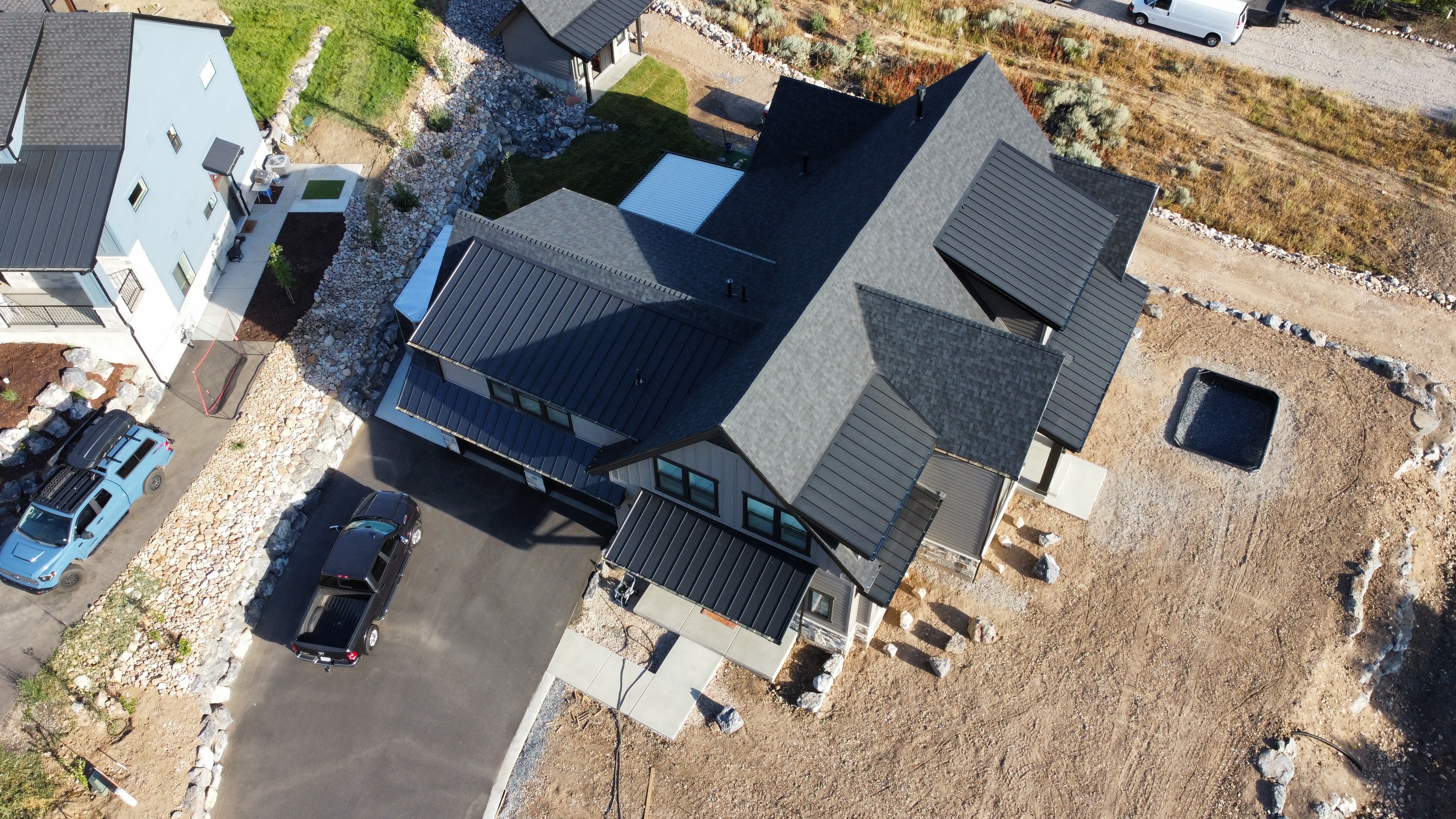
The cost of Snow Retention installation can vary based on project intent, size, and scope. Snow Retention is bid by the linear ft installed. For a quality snow retention system installation in Utah you can expect an install to cost $25-$70/linear ft, depending on the product. Metal roof accents or architectural metal roofs on a dormer or over a doorway are the smallest snow retention applications and often cost $500-$1500, while medium, low-pitched projects cost between $2,000-$10,000+. Engineered, powder coated systems are by far the most expensive. These projects are typically reserved to areas with steep pitched roofs and high-extreme ground snow loads, or when the local building code requires a building permit and engineering. Engineered projects typically range from $8,000-$80,000+.
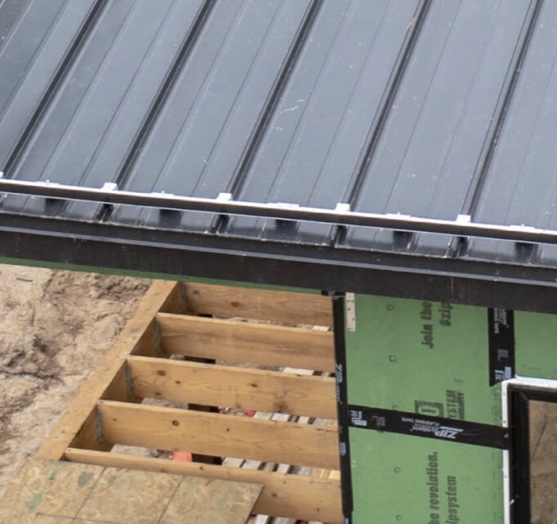
S-5! ColorGard 2.0
Bar-Rail System
Our Most Cost Effective Solution: Less Expensive than other snow retention systems that require full engineering or powder coating.
Full Install Cost $500-$10,000
Compatible with standing seam and exposed fastener roofs.
S-5! offers a variety of aluminum color strips to color match with your roof color.
Software Calculated: S-5! calculator and ground snow loads used to design an effective system.
S-5! limited lifetime materials and manufacturer warranty
2-year workmanship warranty
Best for small to medium projects in low-medium snow accumulation areas.
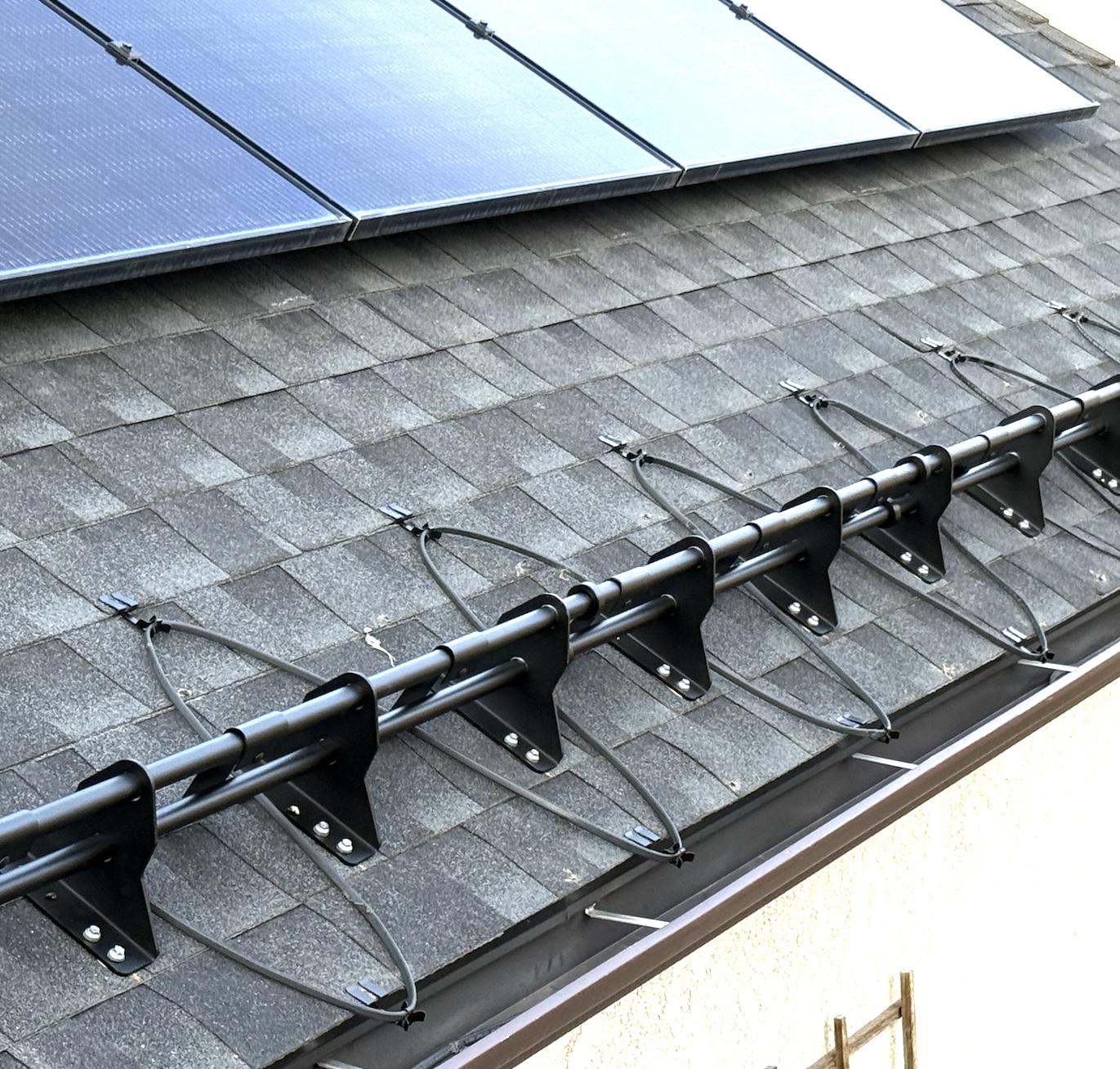
TRA Rafter Mount 2 Fence (For Solar)
Best For Solar Snow Slides: These systems are reliable when your solar panel's snow starts to melt and slide.
Full Install Cost: $1200-$3500
Compatible with asphalt shingle roofs.
TRA Snow & Sun offers many powder coat painting color options to match your roof color.
Calculated or Engineered: Depending on the design and scope of the project.
Nordic 2-year product and material warranty
2-year workmanship warranty
Best for all asphalt shingle residential projects to prevent solar panel snow slides.
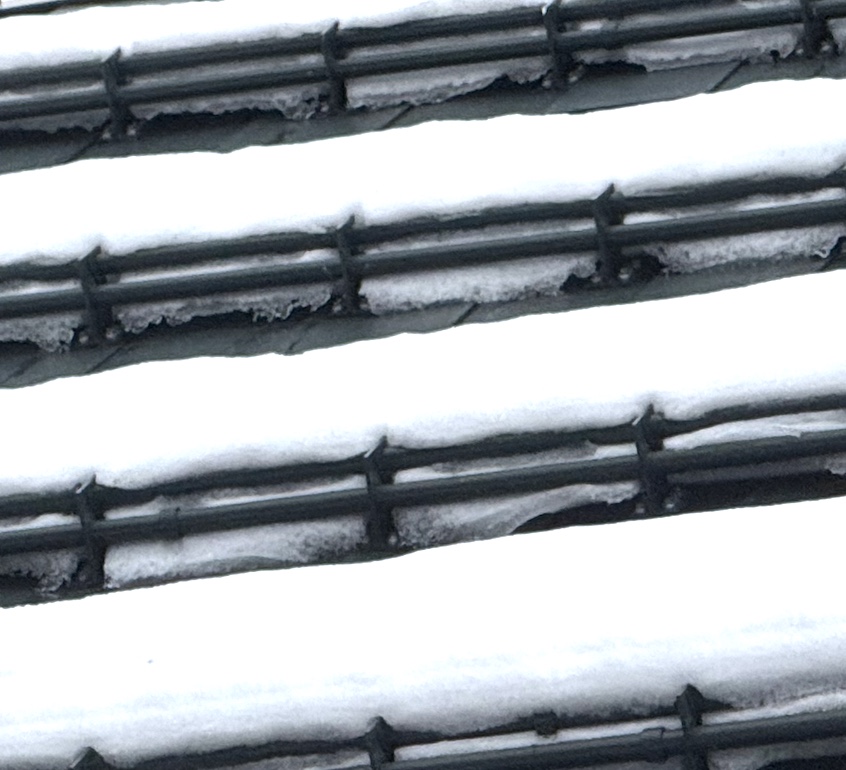
TRA C21Z & C22Z Snow Fence
Our Best Solution for Roofs in High-Extreme Snow Areas: Built for areas with ground snow loads of 50-200+psf.
Full Install Cost: $8,000-$80,000
Compatible with standing seam and exposed fastener roofs.
TRA Snow & Sun offers many powder coat painting color options to match your roof color.
Engineered Layouts: These systems are designed for your roof and local ground snow loads.
TRA engineered system warranty
2-year workmanship warranty
Best for medium large projects in high-extreme snow accumulation areas.
Nordic Solutions is committed to installing reliable systems. We'll design cost-effective systems and/or have our layout engineered to serve your sliding snow needs.
What Pushes Your Cost to The Higher End?
2+ Stories or a steep roof pitch
Old/ previous system removals
Complex rooflines
Local code requiring engineering or permitting
Winter installation (Mid October-March)
Remote project locations (Tetons, Uintas, ect.)
Powder coated snow retention
1 story and shallow pitches
Installations combined with heat tape installation
Simple rooflines
Software calculated or designed systems
Spring/ Summer installation (April- September)

Pair Your Snow Retention System with Heat Tape
Heat Tape, also referred to as heat cable or heat trace, is the part of whole package to dealing with ice and snow during the winter months. Roof valleys, soffit overhangs, and gutters are all areas highly prone to ice build up. Heat Tape allows those ares to remain ice free. Get both heat tape and snow retention to prevent ice dams and snow slides all winter long.
Always Product or System Quality Over the Cheapest Cost with Snow Retention.
Most wouldn't trust the walls of a house if they were made from plastic or thin sheet metal, the same is true for snow retention systems. Thousands of pounds of snow can accumulate on a roof in a single season and when systems fail, it can be devastating to people or property below. Cheap snow retention made from plastic will get brittle in the sun and break off in large snow events. Thin sheet metal systems are almost always installed with minimal allowable loads and break off with high snow accumulations on the roof. A reliable system will always have rigorous testing done on it in a lab or institution to determine allowable loads and maximum loads.
What to Avoid and What to Get in a Snow Retention Product.
Hardy Rib snow rail
Polycarbonate or plastic snow guards
Thin metal snow guards
Adhesive installed snow retention
Snow guard without allowable/maximum load limits
S-5! snow retention products
TRA Snow & Sun snow retention products
Made from galvanized/stainless steel, or aluminum
Lab-tested snow retention
Snow guards with allowable/maximum load limits
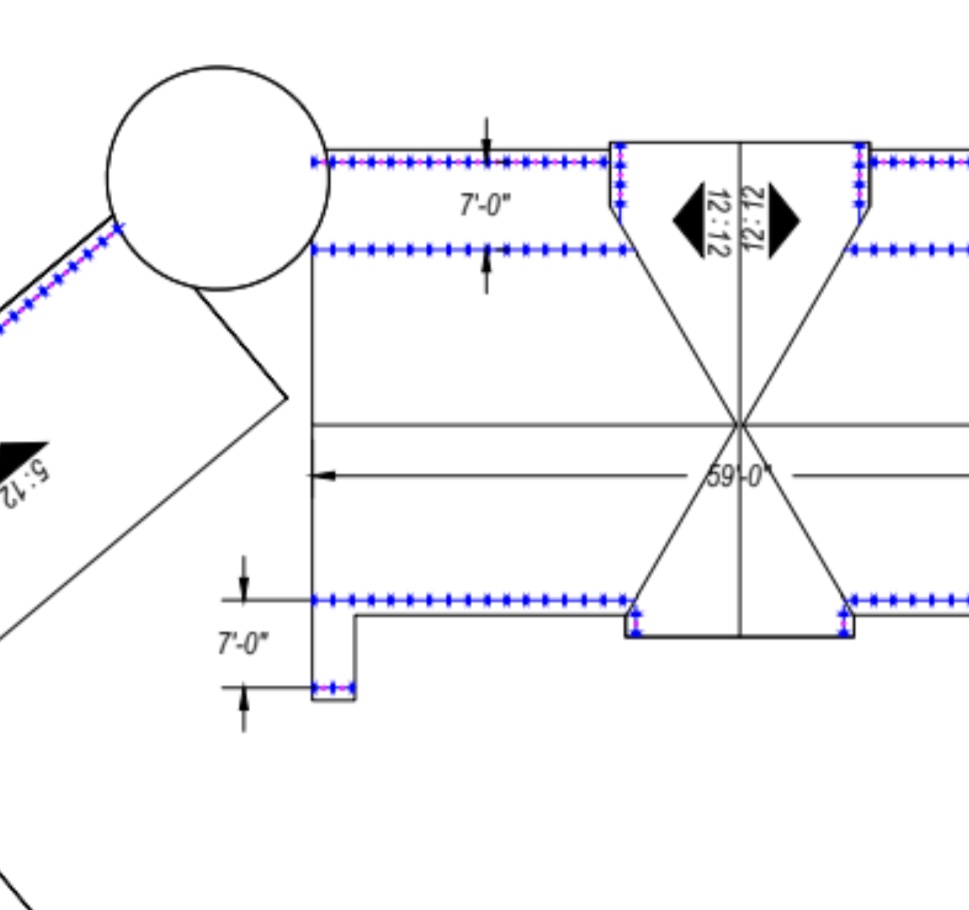
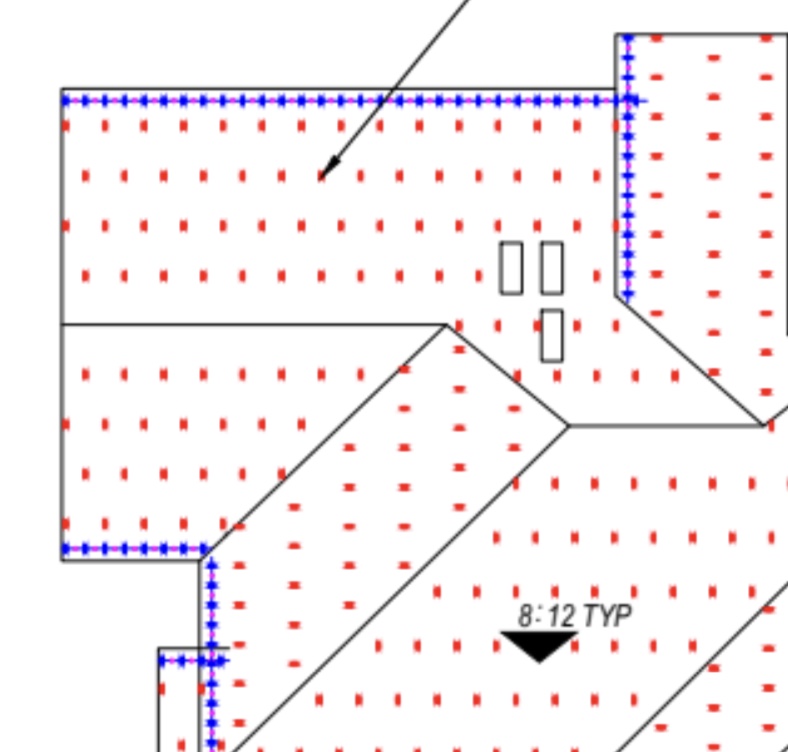
What is the Difference Between a Barrier And a Guard Snow Retention System?
A barrier system uses a continuous horizontal structure (like a snow fence or snow rail) running along the edge of the roof, whereas a guard snow retention system uses individual, spaced-out units (commonly called snow guards or cleats) across the roof.
Barrier systems are best installed in winter climates, heavy snow load areas, with steep roof pitches, commercial buildings, and metal roofs. Barrier systems are have superior holding power when compared to guard or cleat systems as the snow load can be dispersed across the entire snow rail or fence, rather than the entire snow weight on a single cleat in a guard system.
In high-extreme ground snow load areas, systems must be designed with the snow load dispersed across the roof, which may include multiple rows of rail or fences across the whole roof. Even if the desired installation area on the roof is in one specific section, it may require snow retention to be installed on the other side of the pitch to balance snow loads equally on the roof.
Guard systems are best installed in low snowfall areas, projects where a low-profile look is preferred, or to reduce costs as a combined system with a barrier system. Reduced cost combined guard and barrier systems may not be possible with steep roof pitches or in areas with high-extreme snow loads if the allowable loads or product manufacture guidelines aren't able to be met.
FAQs
Will installing snow retention/ snow guards void my roof warranty?
Not if you use the correct system and install it properly. For standing seam metal roofs, premium clamp-on systems (like S-5!) require ZERO roof penetrations, meaning they preserve the manufactures's weather-tightness warranty completely. For shingle, tile, or exposed-fastener roofs where drilling is require, using proper flashed brackets or factory approved fasteners with durable EPDM washers ensures the roof remains watertight and compliant with standard installation warranties
How many snow retention/ snow guard bars or rows do I need?
The exact layout spacing, and number of rows required depend on some math that calculates your local ground snow load, the pitch (slope) of your roof, the specific roofing material, and the length of the roof slope from eave to ridge. Reputable installers use manufacturer software (like the S-5 Snow Retention Calculator) to custom-engineer a layout that distributes a layout that distributes snow weight evenly across the entire roof structure. Fully engineered layouts are also available and recommended on larger buildings or projects.
Does snow retention cause ice or ice dams?
No, snow retention systems do not cause ice dams. Ice dams are caused by poor attic insulation and inadequate ventilation, which allows heat from inside a house to escape, melt the bottom layer of the snow on the roof, and cause it to refreeze at the cold eave. Snow retention simply holds the solid, stable snowpack in place. In fact, if your roof is prone to ice dams, a snow retention systems works hand-in-hand with heat tape to safely hold and melt the snow and ice.
Can TRA Snow Retention systems be installed under the shingles of the roof?
Yes. TRA Snow & Sun individual brackets are both designed and engineered for installation on top of and under asphalt shingles, wood shakes, and tile roofs. During a reroof or new construction, the brackets are integrated seamlessly into the roofing workflow: the long flat metal strap is fastened directly to the roof deck or underlayment, and the subsequent course of shingles is laid right over, leaving only the durable, power coated braked face exposed to catch the snow. While these individual brackets can also be retrofitted under the existing shingles, it is more challenging and if not done right, can lead to leaking problems down the line. It's best to install this system as a new rood is being installed.
Does Colorgard 2.0 work on standing seam and exposed fastened roofs?
Yes, it pairs with non-penetrating S-5! clamps for standing seam and specialized waterproof brackets for exposed fastened profiles.
Is ColorGard 1.0 compatible with ColorGard 2.0 parts?
While the base metal clamps remain largely the same, components like the VersaClip 2.0 and internal splices are updated. Parts are explicitly marked to differentiate the versions.
How are snow retention and snow guard products tested?
Systems like S-5! snow retention or TRA snow and sun products undergo rigorous mechanical load and structural testing in ISO/IEC 17025-accredited third-party laboratories or though destructive testing data is performed alongside university engineering departments. These tests determine ultimate load failure points for specific roof profiles, gauges, and materials to establish safe working thresholds backed by a safety factor of at least 2.0.
Are snow guards required to be engineered for my roof?
Not necessarily. Ideally, at a minimum, snow retention and snow guard systems should be calculated using the ground snow load for your area, roof specifications, and using manufacturer guidelines (such as the S-5! Snow Retention Calculator) to ensure the allowable holding capacity of the snow system is adequate to hold the snow loads of your specific city or region. These systems are more cost effective and best for small to medium projects in low-medium snow areas.
Engineered systems are generally more expensive, but do carry limited lifetime engineered warranties with them through the manufacturer. We recommend large projects or areas with high-extreme snow loads above 100psf to be fully engineered. Some local building codes do required fully engineered systems and a permit. Don't just guess how much you need, calculate it. We'll work with you to design a system that will be reliable in the heaviest of Utah's winters.


We are...
Utah's Winter Solution Company
Quote Form
Nordic Solutions LLC
1704 S 800 W Unit 8
Logan, UT 84321
385.469.2770
[email protected]
Providing Commercial Grade Heat Tape and Snow Retention installation services across Utah (Park City, Hideout, Heber, Midway, Brighton, Cottonwood Heights, Salt Lake, North Salt Lake, Bountiful, Centerville, Ogden, North Ogden, Layton, Kaysvillie, Mountain Green, Morgan, Huntsville, Eden, Liberty, Logan, Providence, Smithfield, Hyde Park, Mantua, Garden City, Bear Lake Area and in regions of Idaho (Preston, Victor, Driggs, Fish Haven).