
s.
system inspections
for heat tape + snow retention
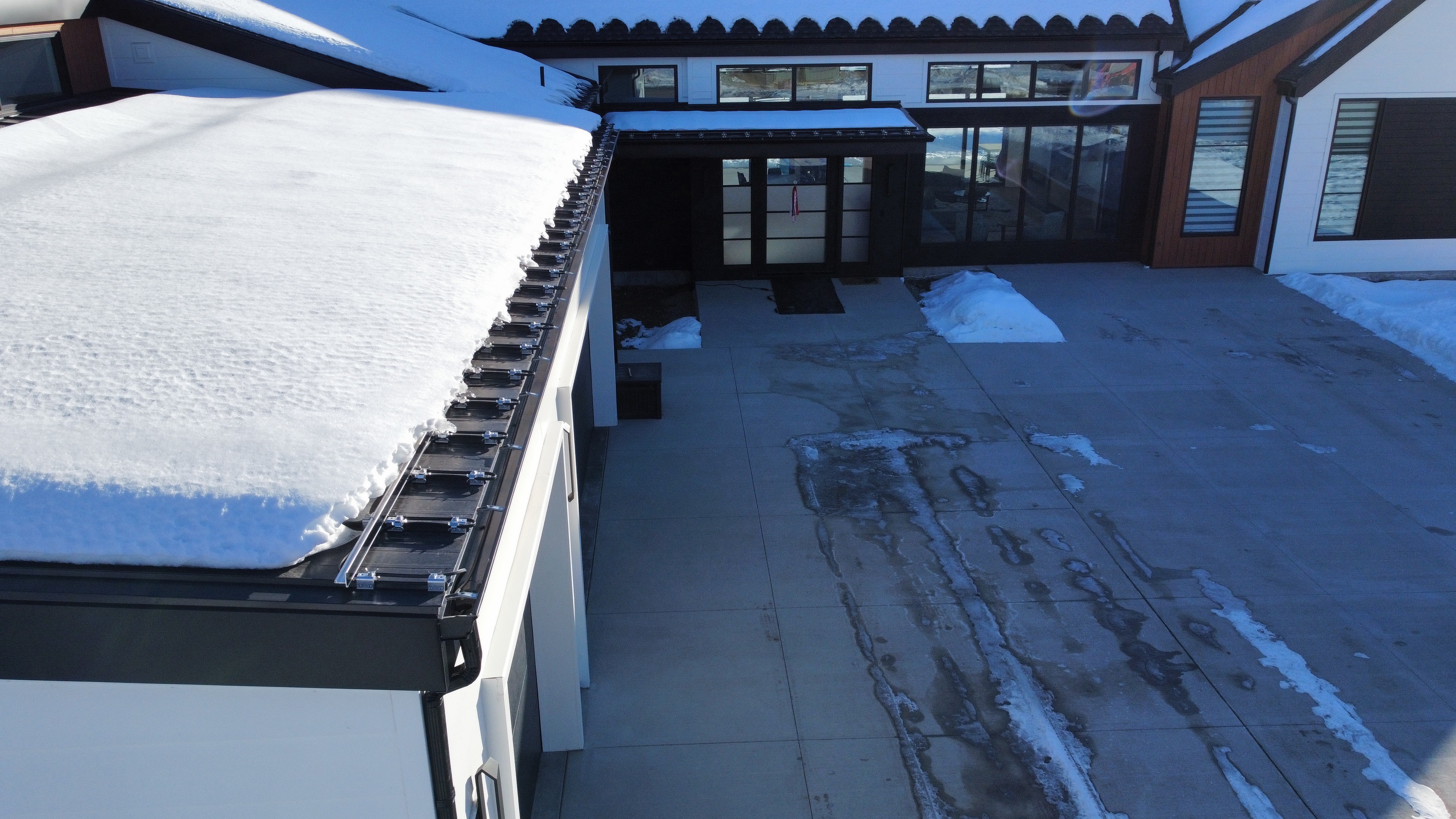
Performing annual and biannual inspections of your heat tape or snow retention system is a good way to ensure everything is functioning properly. We do cable and retention inspections, call us today and schedule an appointment.
system planning
for heat tape + snow retention
Most people aren't fully thinking about the winter and the need for heat tape, snow retention gutters, and drain pipes in the water, snow, and ice prone areas. We can work with you as you are building the home to plan and design a system that will work to save the hassle of adding those things in later.
heat tape + retention
Step 1: Analysis
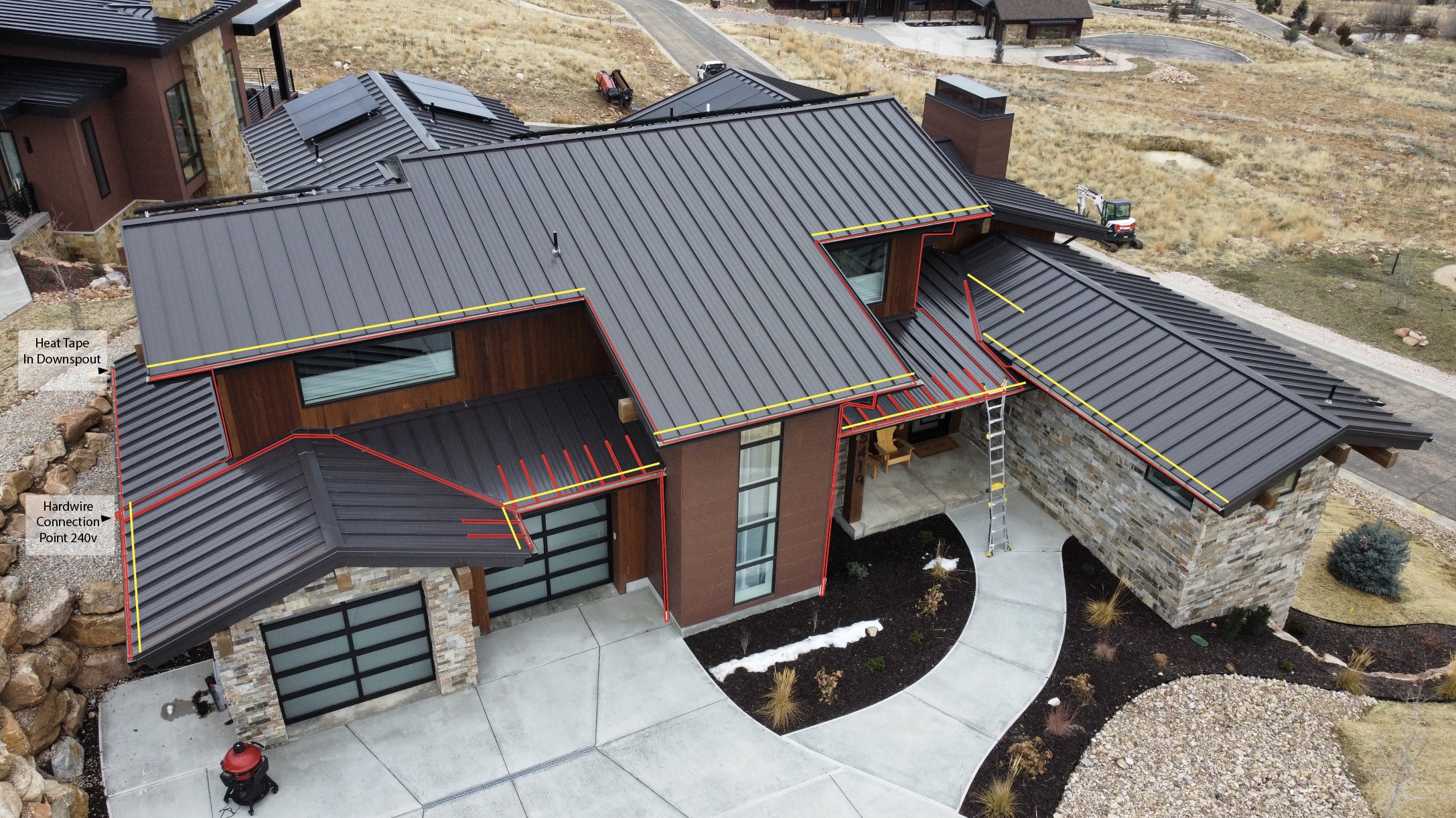
Identify possible problem areas, general water flow, or snow slide potential areas onto walkways or drive ways. The Idea is to keep unwanted water/ice/snow from building up around the home.
Step 2: Electrical + Water Flow Planning
Consult with your electrician about where to installing multiple dedicated circuits. Consult with your contractor about adding gutters and extending downspouts with drain pipes to keep water away from the home, primarily away from walkways or driveways.
Step 3: System Design
Draw it up, we'll calculate how much you need, where you need it, and reduce costs by either targeting the worst areas or designing it with avoiding unnecessary doubling.
Step 4: Professional Review
Miss something big? Get a Quote.
How do I know if my heat tape is still working?
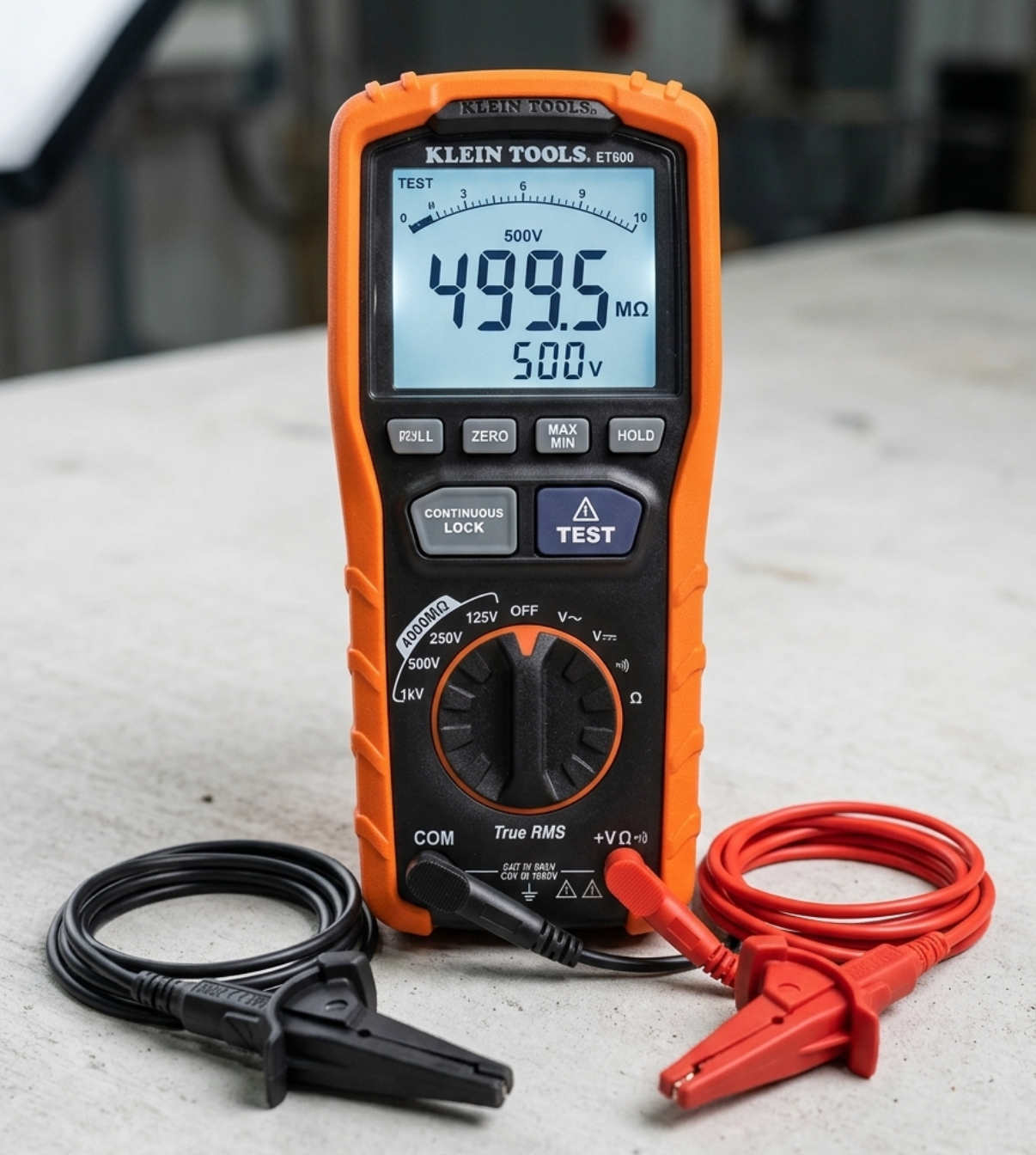
Don't wait for an ice dam to find out. You can check it with a "non-contact voltage tester" or by feeling the cable on a cold day. It should feel warm, not scorching hot. 120v Heat Tape Pro has indicator lights on both the plug and end cap for visual verification that the system is on. Professionals use a megohmmeter to test the insulation integrity to determine if the system will fail soon or is failing.
When do I know it's time to replace my heat cable?
In Utah’s climate, you should inspect your system every autumn. The most common signs that replacement is necessary include visible cracking or brittleness or bumps in the outer jacket, burn sections, or a "tripping" breaker. If your cable is over 20 years old (5 years for constant wattage) and you notice ice forming directly on top of the wire during a storm, the internal self-regulating core has likely degraded, and the cable is no longer producing enough wattage to melt a drainage path. *see "When to replace your heat cable?" for more info.
My heat tape is new and is not working, what could be wrong?
There are a lot of factors as to why this could be the case.
1. (Most Common) Verify that the outlet has power: Plug in a light or lamp to see if the outlet you are trying to use has power. Often times eave outlets are connected to switches behind the front door, in the garage, or in the utility room and may of been accidentally turned off. The breaker or GFI/GFEP ground protection may be tripped or off. If it has power move but Run a (temporary) extension cord to the heat tape for 12v systems to see if the cable is receiving power and getting warm.
2. All or part of the cable doesn't work: Inspect the cable visually (while off/ un-plugged), is the unheated area damaged?-> replace. If the cable looks visually okay, no physical damage, and has no lumps or bumps, use a meghometer to test the cable insulation integrity. The megameter should set to 1000 vDC and powered for 60 seconds. If it reads less than 1000 ohms on the resistance, or if the voltage bounces, indicating a short in the system, It needs to be replaced.
3. Large snow events: Melting snow takes time, reviving 12"+ of snow will cause the heat tape to igloo or tunnel. Watch it for the next day or two and you should start seeing channels created in the snow and ice.
4. Reach out to a Pro: Professionals have product knowledge that extends beyond the comfort or expertise of some homeowners. We're happy to help at Nordic!
Why is my heat tape tripping the breaker?
If your heat tape trips the breaker as soon as it gets wet or snowy, it usually indicates a "ground fault." This happens when the outer protective jacket has developed microscopic cracks, often due to UV damage, allowing moisture to reach the internal heating core. Verify how much heat tape is installed. If the system trips only when it gets cold out, that may be a sign of too much cable which created a power draw greater than what is available. 120v 6w/foot self-regulating heat tape has a max of 150' for a 15amp circuit. GFI breakers can also be more sensitive to the power changes of self-regulating heat tape. Install a GFEP breaker to resolve.
How do much power do I need for heat cable?
This entirely depends on how much cable is to be installed and the voltage of the heat tape. For most homes, it's best to install at least 2 separate circuits at 20 AMP. 2-120v circuits can power 2-150' Self-Regulating cables (300' total at 6w/ft). Larger homes or homes in snowier climates may want more circuits, higher amperage, or 240v. Use this heat tape calculator to determine how many linear ft your project requires.
Contact us and we'll put together a proposal with a schematic and power requirements for your project for free.
Where should I install outlets or circuits for heat cable?
Here in Utah, the common problem areas for snow and ice are on the north and east rooflines of the home as these area lack sunlight. The best location to install is thus in those locations, specifically a circuit is best next to downspout in the soffit, as this will avoid doubling up installing heat cable in sections, reducing project cost and running electrical costs when installing heat cable. Remember, you'll probably need more than just 1 circuit.
How much snow retention do I need for my roof in Utah? How do I calculate it?
The amount of snow retention required is directly related to the ground snow load (usually a 50-year ground snow load), pitch of the roof, roof type, and allowable load of the snow retention. Using a tool like the S-5 Snow Retention Calculator makes the calculation an easy process.
How do I calculate the ground snow load in Utah?
In Utah, contacting your city or local government is the best way to get accurate "to code" data. Buildings and structures are engineered for specific snow loads for your region. Tools like the USU Utah Ground Snow Load Map or the ASCE Hazard Tool are the most accurate way to determine the 50-year ground snow load by elevation and specific location.
***We offer complimentary heat tape/ heat cable inspections to Utah residents. We can test and observe most if not all aspects of the system. Hardwired heat tape/ heat cable systems are also included in the complimentary inspections, but without an internal Megger test (insulation resistance test), as these tests require a licensed electrician to disconnected and reconnect the system in the state of Utah. We work with electricians who do this and can refer them to you.


*for 6w/ft heat tape
Quote Form
Nordic Solutions LLC
1704 S 800 W Unit 8
Logan, UT 84321
385.469.2770
[email protected]
Providing Commercial Grade Heat Tape and Snow Retention installation services across Utah (Park City, Hideout, Heber, Midway, Brighton, Cottonwood Heights, Salt Lake, North Salt Lake, Bountiful, Centerville, Ogden, North Ogden, Layton, Kaysvillie, Mountain Green, Morgan, Huntsville, Eden, Liberty, Logan, Providence, Smithfield, Hyde Park, Mantua, Garden City, Bear Lake Area and in regions of Idaho (Preston, Victor, Driggs, Fish Haven).